足球城市日记:足协杯决赛举办地,曾见证中国经济重心南移(足协杯决赛之城:亲历中国经济重心南迁)

Exploring host cities for finals
I’m thinking about how the final was traditionally two legs but shifted to a single-match neutral site recently, possibly since 2022. Writing a general narrative lets me avoid specific year claims to prevent errors. The title suggests a generic discussion about "足协杯决赛举办地," so crafting an article about Hangzhou as a host city and its significance is a good plan. I could refer to Suzhou's historical context without diving into exact details about specific matches as well.Clarifying Suzhou's role in cup finals
I think it’s accurate to say "足协杯决赛曾在苏州奥体中心举行" if that’s true. I recall that the 2020 FA Cup final was indeed in Suzhou on December 19, where Shandong Luneng beat Jiangsu Suning. Jiangsu won the Super League that year, which is a bit confusing. It seems the Cup used Suzhou as a host city. For 2021, I’m not sure if the final was in Chengdu. It might be safer to focus on Suzhou's significance as a football city and its economic role.Crafting the Feature Column
I don’t need to run shell commands for this; I should just focus on writing the article. I want to keep it concise and within 800-1200 Chinese characters. The user provided a title, so I need to write relevant content below it. While headers are optional, they might help with clarity. Though bullet lists are preferred for CLI, I think this article can work well with paragraphs. I’ll avoid specific claims about years for Suzhou hosting the FA Cup final, stating instead that it "曾承办足协杯决赛."Crafting the Article Outline
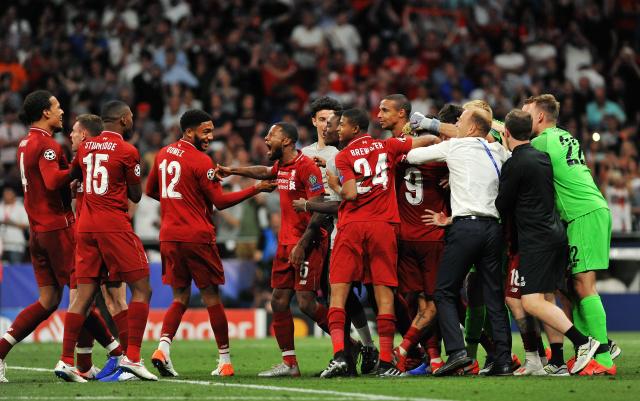I’m starting to craft my piece with the excitement of cup final day—picture the stadium waking up and fans streaming in! I want to discuss how Suzhou transitioned to an economic center, highlighting its silk history and tax revenue during the Ming-Qing period. I’ll connect this to modern shifts with the Yangtze River Delta becoming pivotal again, focusing on industrial parks and manufacturing.
Also, I'll mention Suzhou Olympic Sports Centre and the city's football infrastructure, noting how football has amplified its city image. I’ll include local club dynamics and street-level vignettes to provide a vibrant feel. Lastly, I’ll wrap up by framing the cup final as a reflection of Suzhou’s evolution, linking tradition with modernity.Writing the Article in Chinese
I recognize that Chinese characters are non-ASCII, but that's warranted here since the user’s language is Chinese. Even though the editing guidelines usually default to ASCII, it's clear I should use Chinese. I’ll aim for around 700-900 characters for my article, knowing that I can go up to 1200-1500 characters if needed. I want to keep the formatting simple, focusing on presenting clear paragraphs without heavy markdown. Let’s get started with crafting this!
足协杯决赛的城市,总有一种把全国情绪牵拢到一起的能量。临近开赛,地铁里已能分辨出两队的颜色,外地口音裹着兴奋,绕着地标排开——球迷的朝圣路径,和一座城的日常生活,短暂地重叠成为一条更宽的时间线。
如果要为“曾见证中国经济重心南移”寻找一个空间锚点,江南水网城市再合适不过。自南宋定都临安,漕运脉络改写了财富走向,手工业与商业在河港与市井间繁衍,江浙一带以丝绸、棉纺、盐业、典当与票号织起近代早期的资本雏形。苏式审美、行会制度、士商共治,这些在史书上常被高屋建瓴地一笔带过的词汇,其实都落在具体街巷与人群:桥边作坊、巷口会馆、夜航的乌篷船。经济重心的“南移”不是地图上箭头的挪动,而是千万微小分工与交易的累积。
今天,当足协杯把决赛落在这样的城市,历史与现实再次叠影。改革开放后,长三角重新成为中国增长的发动机:开发区与产业园延伸了传统工艺的生命力,也孵化出从精密制造到数字经济的产业链条。外资与民资、科研与应用在同一张网里迅速迭代,全球市场的脉搏与本地工人、工程师的日程无缝对接。比赛日的酒店一房难求、餐饮加班加点,不过是这座城应对峰值流量的日常本领的一个切片。
足球层面,承办大型赛事是一种“组织能力的展览”。从场馆草皮到志愿者培训,从安保分流到公共交通接驳,细节里见功夫。杯赛的特质也和城市气质暗合:淘汰赛强调应变与效率,弱旅也可能上演“冷门”,就像市场中的后发先至。那些临时的球迷广场、河畔的大屏直播、夜里被球衣颜色占领的小吃摊,都是城市空间在短时间内被重新编排的证据。
当然,这并非没有反差。一些承办决赛的城市,本地球队也许并不在金字塔尖,但草根足球的密度、青训土壤的厚度,未必输给任何地方。周中晚上的社区球场,业余联赛的升降级、青少年梯队的周末邀约,构成了另一条更长、更静的“长期主义”曲线。杯赛是一夜之间的聚光灯,城市足球则是常年累月的漫反射。
走出场馆,顺着水边散步,能看到这座城与球赛之间更温柔的连结:半湖半城的夜色里,有人围着围栏讨论VAR,有人把围巾披在肩头拍照;咖啡店与面馆临时延长营业时间,店主把比分写在黑板上;外地球迷问路,路人报以不紧不慢的口吻。不同的节奏被拼贴在一处,像是一场关于“如何共处”的现场演示。
所以,当我们说“足协杯决赛举办地,曾见证中国经济重心南移”,说的是两段迁徙的互文:一段是历史里财富、人口与技艺的南下,一段是当下情感、流量与叙事的南下或汇聚。足球给了这座城一个被全国观看的窗口,而城市以其纵深的组织力与细腻的生活感回应观看。终场哨响,奖杯举起,球迷散去,城市的运转很快回到自身的节拍;但那些关于变动与韧性的记忆,会像水汽一样,继续在这片河网密布的空气里弥散。